
Best Classical piano lessons for kids In Acton
Classical Piano Training for Children Who Are Ready to Level Up
I help disciplined, curious teens (and their visionary parents) build rock-solid piano skills that unlock musical confidence—for exams, performances, or life.
At Wong Cool Piano Lessons, learning piano isn’t just about playing an instrument—it’s about cultivating a stronger, more centred version of yourself. I don’t see music as a separate hobby or side activity. I see it as a way to galvanise focus, nurture emotional sophistication, and bring clarity to how we approach challenges—whether academic, personal, or professional.
My own journey—from concert training to mathematics, from public policy to diplomacy—has shown me how deep musical learning sharpens the mind, strengthens communication, and elevates one’s presence in the world. That’s why I curate each student’s path with a broader vision in mind. Whether we’re helping a teen power through redox reactions with better focus, or guiding a working parent toward 15 mindful minutes a day at the piano, we’re not just making music. We’re making growth visible.
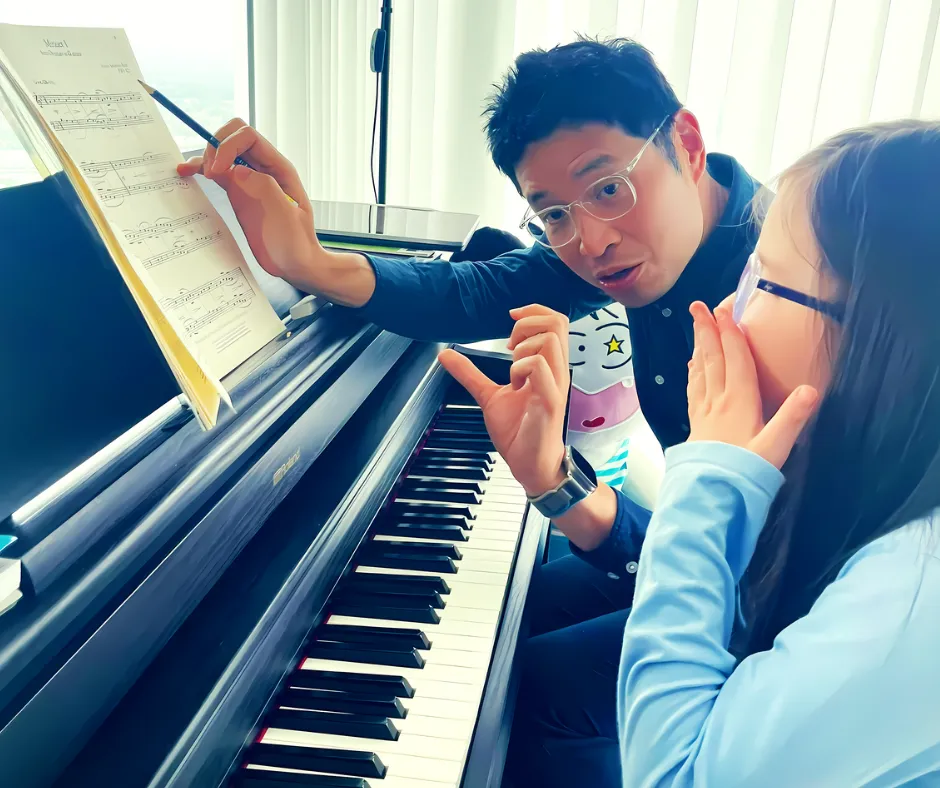
Additional Services
What Are Classical piano lessons for kids?
Classical piano lessons for children are more than just learning to play notes—they are a journey into structured musical thinking, emotional expression, and lifelong discipline. At the core of classical training is a carefully curated repertoire that builds a student’s technique, listening skills, and artistic interpretation in a progressive and logical way. Children begin by learning posture, finger control, rhythm, and music reading, gradually moving toward more complex works that challenge both their mind and emotion.
But beyond technical skill, classical piano nurtures a child’s patience, confidence, and sense of achievement. At Wong Cool Piano Lessons, each student receives a tailored path that balances rigour with encouragement. Whether preparing for graded exams or simply developing a deep appreciation for music, our approach fosters independent learning and musical storytelling—giving young learners a foundation that resonates far beyond the keyboard.
Best Classical piano lessons for kids In Acton
Classical Piano Training for Children Who Are Ready to Level Up
I help disciplined, curious teens (and their visionary parents) build rock-solid piano skills that unlock musical confidence—for exams, performances, or life.
At Wong Cool Piano Lessons, learning piano isn’t just about playing an instrument—it’s about cultivating a stronger, more centred version of yourself. I don’t see music as a separate hobby or side activity. I see it as a way to galvanise focus, nurture emotional sophistication, and bring clarity to how we approach challenges—whether academic, personal, or professional.
My own journey—from concert training to mathematics, from public policy to diplomacy—has shown me how deep musical learning sharpens the mind, strengthens communication, and elevates one’s presence in the world. That’s why I curate each student’s path with a broader vision in mind. Whether we’re helping a teen power through redox reactions with better focus, or guiding a working parent toward 15 mindful minutes a day at the piano, we’re not just making music. We’re making growth visible.
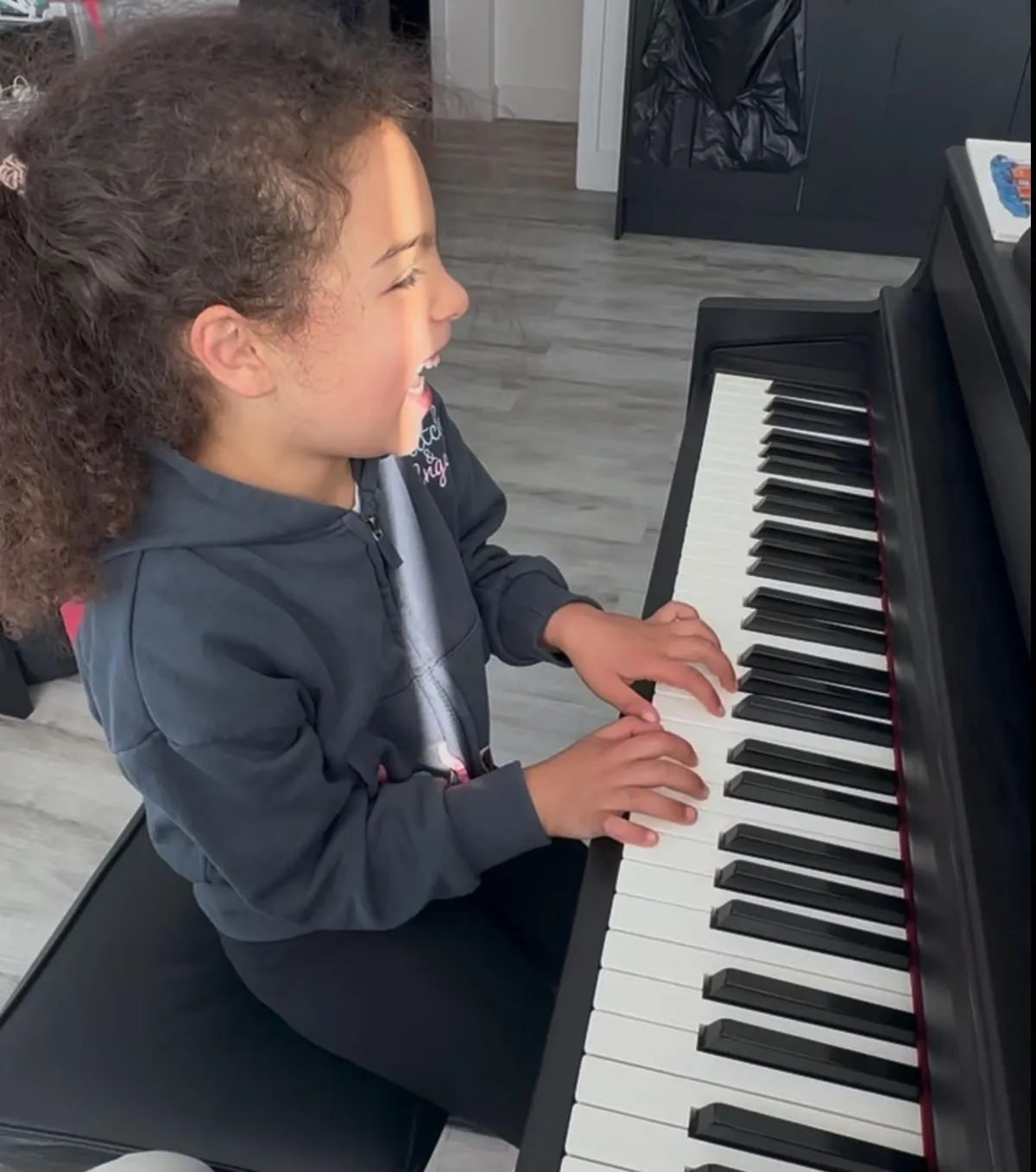
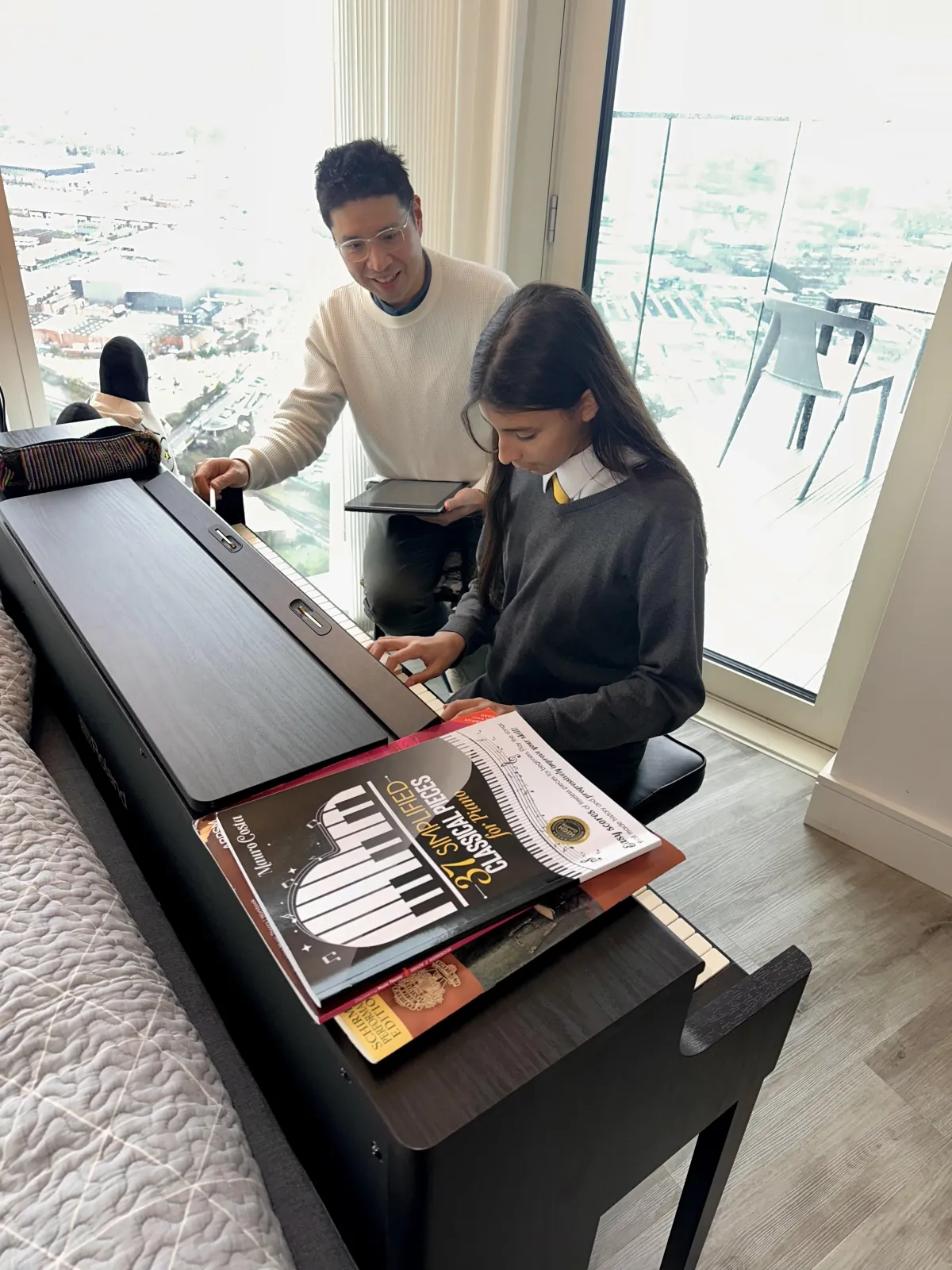
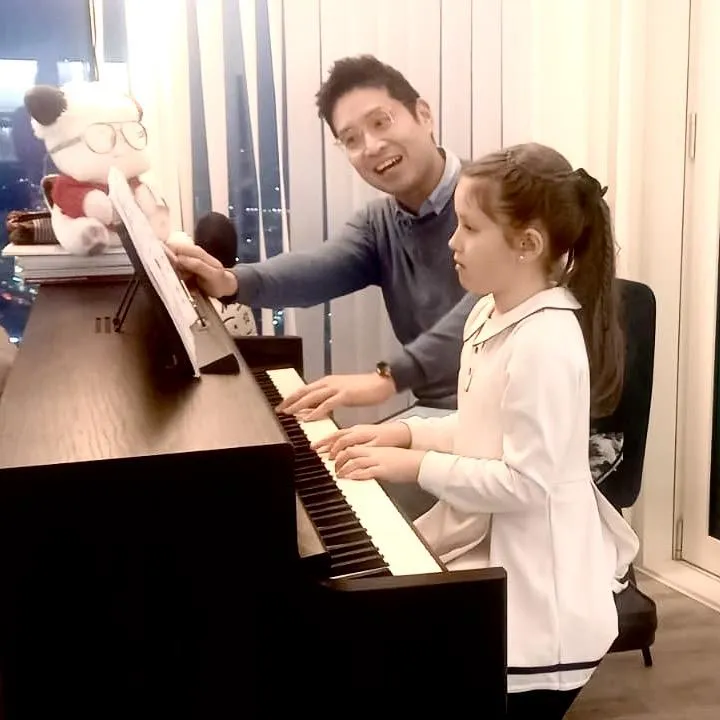
Our Students Taking Our Classical piano lessons for kids
Additional Services
Wong Cool Piano Lessons Specializes In:
Classical Piano Lessons for Kids
Classical Piano Lessons for Teens
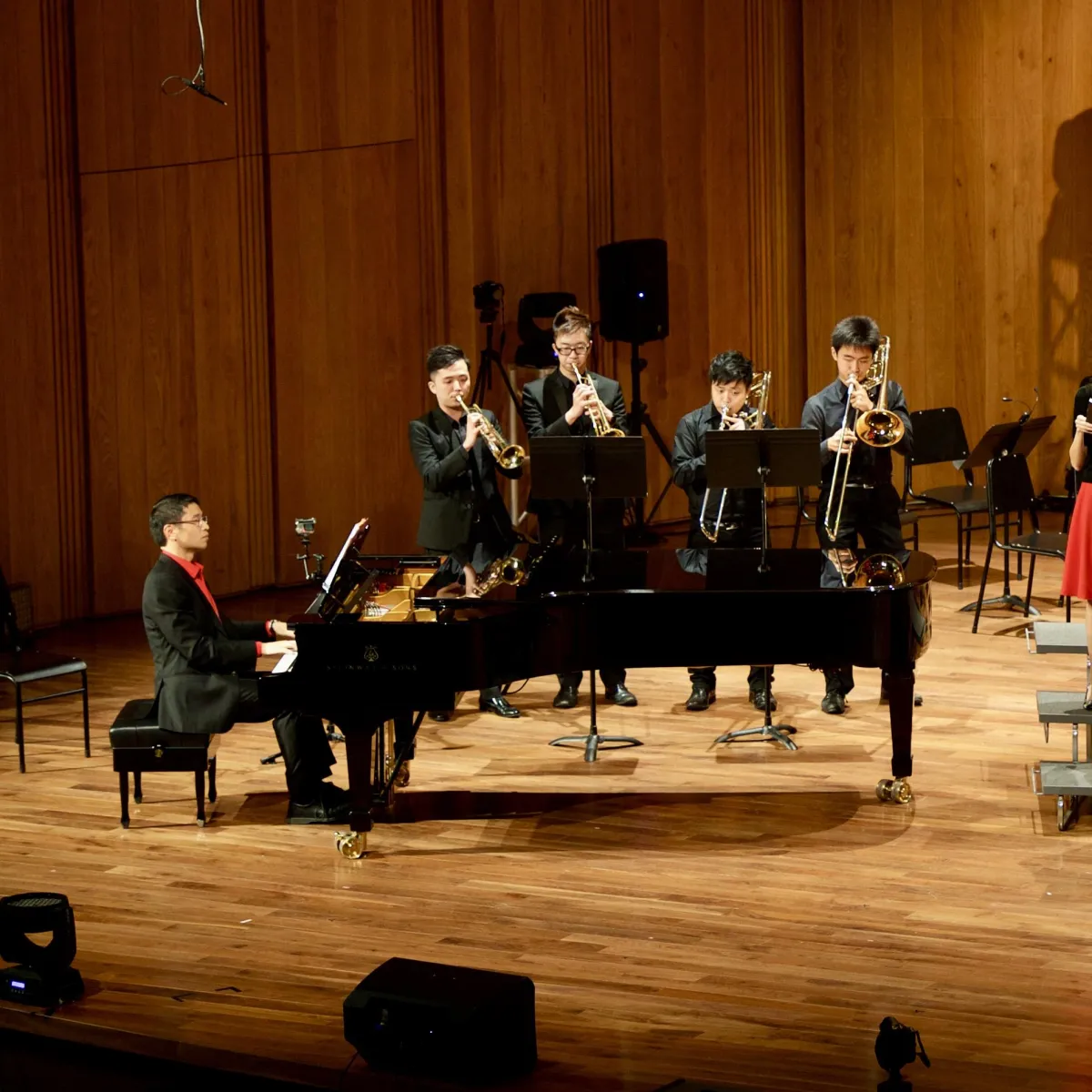
Piano Accompaniment Services
What Are Classical piano lessons for kids?
Classical piano lessons for children are more than just learning to play notes—they are a journey into structured musical thinking, emotional expression, and lifelong discipline.
At the core of classical training is a carefully curated repertoire that builds a student’s technique, listening skills, and artistic interpretation in a progressive and logical way. Children begin by learning posture, finger control, rhythm, and music reading, gradually moving toward more complex works that challenge both their mind and emotion.
But beyond technical skill, classical piano nurtures a child’s patience, confidence, and sense of achievement. At Wong Cool Piano Lessons, each student receives a tailored path that balances rigour with encouragement. Whether preparing for graded exams or simply developing a deep appreciation for music, our approach fosters independent learning and musical storytelling—giving young learners a foundation that resonates far beyond the keyboard.
Our Students Taking Our Classical piano lessons for kids
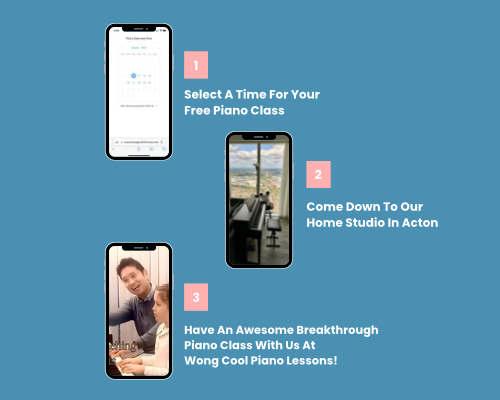
How It Works
Step 1
Select a time that works for you to schedule your free piano lesson at Wong Cool Piano Lessons. Simply click on one of the green buttons on our website to access our calendar and reserve your spot.
Step 2
Once you've scheduled your free piano lesson, we'll send you some introductory tips to help you get the most out of your experience with us.
How our Classical piano lessons for kids Work
At Wong Cool Piano Lessons, we provide piano lessons for students of all skill levels. We will guide you on your musical journey and help you reach your goals. The piano lessons are designed to be fun, interactive and personalized to each student's needs and preferences, allowing you to progress at your own pace. You'll learn the fundamentals of piano playing like technique, scales, rhythm, and melody, and you'll also be able to learn your favorite songs. With our lessons, you'll be able to showcase your new piano skills and impress your friends and family in no time.
Cost of Classical piano lessons at Wong Cool Piano Lessons
Wong Cool Piano Lessons provides piano instruction for individuals of all ages and abilities. Our aim is to create a welcoming and encouraging atmosphere for our pupils, recognizing that learning to play the piano can be challenging.
Our goal is to assist our students in discovering their own unique style and allowing them to express themselves through the piano. To support this, we offer flexible scheduling to accommodate our students' individual needs and learning pace.
Meet Your Piano Teacher
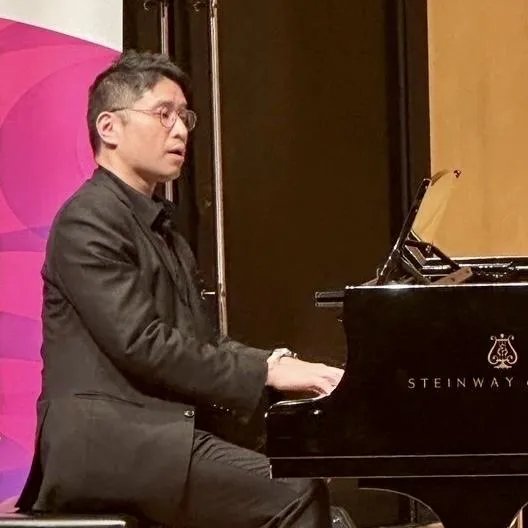
Sheung-yuen Lee
Classical piano lessons for kids FAQs
Frequently Asked Questions About Learning The Piano
Q: What is the right age to begin piano lessons?
A: If your child is 5 or older, shows curiosity, and can sit still for 10–15 minutes—they’re likely ready. But honestly, it’s more about readiness than age. I’ve taught six-year-olds who out-practise teenagers. I’ve also advised some parents to wait a few months and return when their child is more settled. That’s why I always recommend a no-pressure trial lesson: we find out together what’s best.
Q: My child is curious but inconsistent. Should we start lessons now or wait?
A: Start now—with care. Curiosity is a great entry point. In fact, many of my best students began with wavering interest but blossomed under a routine they could trust and a teacher who saw them as a whole person. I offer a free trial lesson so we can see if it clicks. If your child connects with the process, the motivation tends to follow. (And if they don’t—we’ll still part with a smile and a recommendation.)
Q: How long does it take to get “good” at piano?
A: “How long is a piece of string?” It depends. But here’s the honest truth: with weekly lessons, consistent home practice, and smart goal-setting, most children can play musically within a year and confidently within three. Progress isn’t a straight line—it’s a spiral—but I walk with them the whole way, pushing gently, celebrating often. And if exams are the goal, I can get them there with a track record that speaks for itself.
Q: Can I record the lesson - or parts of it - for review later?
A: Please do. In fact, I encourage it. Whether it’s a full audio recording or a short video clip of a tricky passage, I believe recording is one of the most powerful tools for review and accountability. It helps students remember what they learned, and it allows parents (especially those who can’t attend in person) to stay in the loop. Many parents also record my demonstrations—these often become their child’s go-to when practising at home. No secrets. Full transparency. Everyone grows faster that way.
Q: How much practice do you expect outside of lessons?
A: For beginners, just 15 focused minutes a day. That’s it. I don’t believe in long, draining practice marathons that kill motivation. I believe in short, daily bursts of mindful work. Most people—from busy kids to overloaded adults—can carve out that kind of time. I tailor practice routines for each student’s situation, so they make the most of those minutes. Done consistently, this kind of training leads to surprising progress—and it’s sustainable, which means it actually happens.
Q: Is musical talent a requirement for playing the piano?
A: Absolutely not. Musical talent is wonderful—but it’s not a prerequisite. What truly matters is a child’s willingness to try, to listen, and to return to the piano bench even after things get tricky. I’ve taught students who couldn’t clap in time on day one, and now they can play Chopin with nuance and grace. Natural ability helps—but dedication wins. And I help students build that dedication with structure, praise, and a touch of dry humour.
How It Works
Step 1
Select a time that works for you to schedule your free piano lesson at Wong Cool Piano Lessons. Simply click on one of the green buttons on our website to access our calendar and reserve your spot.
Step 2
Once you've scheduled your free piano lesson, we'll send you some introductory tips to help you get the most out of your experience with us.
How our Classical piano lessons for kids Work
At Wong Cool Piano Lessons, we provide piano lessons for students of all skill levels. We will guide you on your musical journey and help you reach your goals. The piano lessons are designed to be fun, interactive and personalized to each student's needs and preferences, allowing you to progress at your own pace. You'll learn the fundamentals of piano playing like technique, scales, rhythm, and melody, and you'll also be able to learn your favorite songs. With our lessons, you'll be able to showcase your new piano skills and impress your friends and family in no time.
Cost of Classical piano lessons at Wong Cool Piano Lessons
Wong Cool Piano Lessons provides piano instruction for individuals of all ages and abilities. Our aim is to create a welcoming and encouraging atmosphere for our pupils, recognizing that learning to play the piano can be challenging.
Our goal is to assist our students in discovering their own unique style and allowing them to express themselves through the piano. To support this, we offer flexible scheduling to accommodate our students' individual needs and learning pace.
Meet Your Piano Teacher
Sheung-yuen LEE
Contact Us
Open Hours
Social Media
Monday - Friday: 9:00 AM - 7:00 PM
Saturday: 9:00 AM - 5:00 PM
Sunday: Closed


Wong Cool Piano Lessons Specializes In:
Classical Piano Lessons for Kids
Classical Piano Lessons for Teens
Piano Accompaniment Services
Classical piano lessons for kids FAQs
Frequently Asked Questions About Piano Lessons
Q: What is the right age to begin piano lessons?
A: If your child is 5 or older, shows curiosity, and can sit still for 10–15 minutes—they’re likely ready. But honestly, it’s more about readiness than age. I’ve taught six-year-olds who out-practise teenagers. I’ve also advised some parents to wait a few months and return when their child is more settled. That’s why I always recommend a no-pressure trial lesson: we find out together what’s best.
Q: My child is curious but inconsistent. Should we start lessons now or wait?
A. Start now—with care. Curiosity is a great entry point. In fact, many of my best students began with wavering interest but blossomed under a routine they could trust and a teacher who saw them as a whole person. I offer a free trial lesson so we can see if it clicks. If your child connects with the process, the motivation tends to follow. (And if they don’t—we’ll still part with a smile and a recommendation.)
Q: How long does it take to get “good” at piano?
A: “How long is a piece of string?” It depends. But here’s the honest truth: with weekly lessons, consistent home practice, and smart goal-setting, most children can play musically within a year and confidently within three. Progress isn’t a straight line—it’s a spiral—but I walk with them the whole way, pushing gently, celebrating often. And if exams are the goal, I can get them there with a track record that speaks for itself.
Q: Can I record the lesson - or parts of it - for review later?
A: Please do. In fact, I encourage it. Whether it’s a full audio recording or a short video clip of a tricky passage, I believe recording is one of the most powerful tools for review and accountability. It helps students remember what they learned, and it allows parents (especially those who can’t attend in person) to stay in the loop. Many parents also record my demonstrations—these often become their child’s go-to when practising at home. No secrets. Full transparency. Everyone grows faster that way.
Q: How much practice do you expect outside of lessons?
A: For beginners, just 15 focused minutes a day. That’s it. I don’t believe in long, draining practice marathons that kill motivation. I believe in short, daily bursts of mindful work. Most people—from busy kids to overloaded adults—can carve out that kind of time. I tailor practice routines for each student’s situation, so they make the most of those minutes. Done consistently, this kind of training leads to surprising progress—and it’s sustainable, which means it actually happens.
Q: Is musical talent a requirement for playing the piano?
A: Absolutely not. Musical talent is wonderful—but it’s not a prerequisite. What truly matters is a child’s willingness to try, to listen, and to return to the piano bench even after things get tricky. I’ve taught students who couldn’t clap in time on day one, and now they can play Chopin with nuance and grace. Natural ability helps—but dedication wins. And I help students build that dedication with structure, praise, and a touch of dry humour.
Contact Us
07700 167674
4806 Icon Tower, 8 Portal Way, Ealing London W3 6EH
Service Hours
Monday - Friday: 9:00 AM - 7:00 PM
Saturday: 9:00 AM - 5:00 PM
Sunday: Closed
Social Media


2026 |
Wong Cool Piano Lessons | Rights Reserved